

The Human Gap
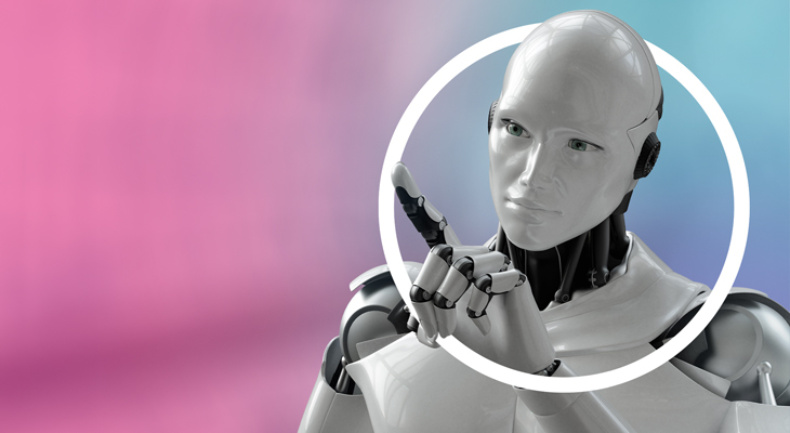
91% of leaders say they’re ready for AI.
One in three say they don’t have the skills to actually use it.
That’s the corporate equivalent of buying a Ferrari and leaving it in the garage because you don’t know how to drive stick. It looks impressive. It makes the neighbours jealous. But it’s not getting you anywhere fast.
According to fresh research from MHR, businesses are buzzing about AI. Two thirds of leaders call it a high strategic priority. They can see the potential: faster forecasting, slicker workflows, job ads written in seconds. But when it comes to switching it on and getting it running? Less than half feel prepared. Outdated systems, clunky processes, human errors — the usual suspects.
And here’s the kicker: a third of leaders admit human mistakes in data entry are still a problem. Fourteen percent openly admit they have no idea where to even start. This isn’t about the robots taking over. This is about us not being ready to invite them in.
Because AI isn’t magic. It’s not going to swoop in, fix your payroll, run your recruitment, and make you a flat white while it’s at it. (If it does, call us. We want one.) AI is a tool. And like every tool, it’s only as useful as the person holding it.
Here’s what we love about Jeanette Wheeler’s take at MHR: she says empathetic innovation has to come first. Translation? If you want AI to work, you need to design it around the people who’ll actually use it. Make it fit into their everyday work. Give them the skills and the confidence. Build trust with clear ethics. And most importantly, get them involved in the conversation. Otherwise, you’re just throwing shiny tech at tired systems.
And let’s be honest: tech has never fixed bad culture. It won’t make your people feel valued. It won’t turn disengaged employees into brand ambassadors. What it can do is free up time, cut the boring stuff, catch the mistakes, and give your team the breathing room to be brilliant.
Look at how businesses are already dipping their toes in. Sixty percent are using AI as a co-pilot for day-to-day tasks. Half are letting it draft job descriptions and training content. That’s nice. But it’s the businesses who reimagine work around AI — who reskill people, simplify processes, and make employees the architects of value, not just executors of tasks — they’re the ones who’ll turn AI from a buzzword into a genuine edge.
Our opinion? AI isn’t the future of work. People are. AI is just the sidekick, the support act, the Robin to your Batman. It makes you sharper, faster, stronger. But without you — your ideas, your creativity, your culture — it’s nothing.
So before you sprint into the AI arms race, pause. Ask yourself: have we prepared our people? Have we made this simple? Have we explained the why, not just the how?
Because when the hype settles, the winners won’t be the ones who shouted loudest about AI. They’ll be the ones who closed the gap — not the technology gap, but the human one.


